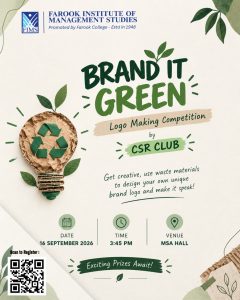
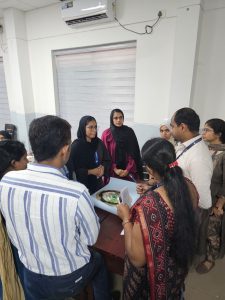
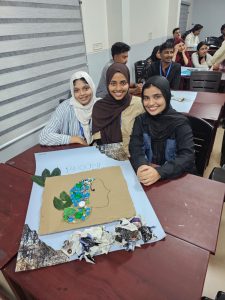
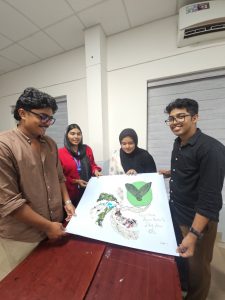
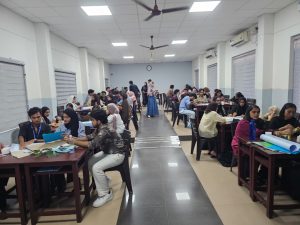
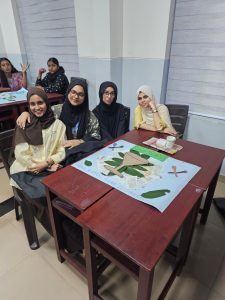
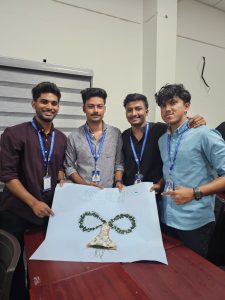
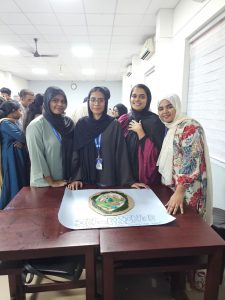
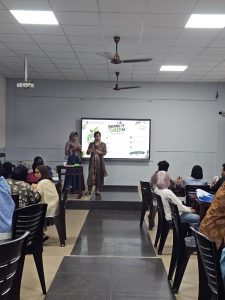
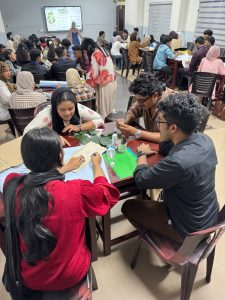
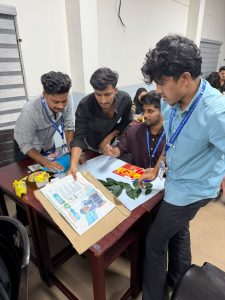
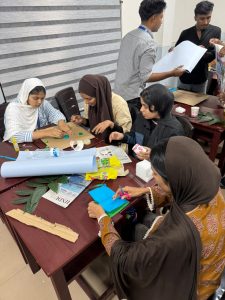
The CSR Club of Farook Institute of Management Studies (FIMS) organised “Brand It Green – Logo Making Competition” on 16 September 2026 at 3:45 PM in MSA Hall as part of its student engagement and sustainability initiatives. The programme was designed to create awareness among students about environmental responsibility while providing a creative platform to explore branding, design and innovation. By linking artistic expression with sustainable practices, the activity reflected the institution’s commitment to experiential learning, social responsibility and environmentally conscious campus initiatives.
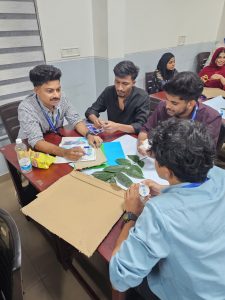
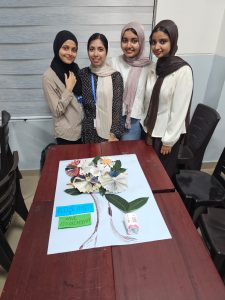
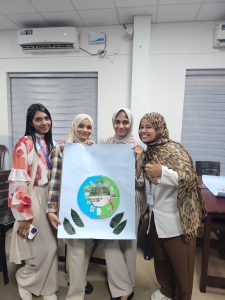
The competition required participants to design innovative brand logos using waste and reusable materials, encouraging them to look at discarded resources from a new and purposeful perspective. Students applied creativity, design thinking and problem-solving skills to transform waste materials into meaningful visual identities. The activity also helped participants understand the relevance of branding and communication in a practical setting while reinforcing the importance of reuse, recycling, responsible consumption and efficient utilisation of available resources.
The programme contributed to the development of creative thinking, innovation, environmental awareness, teamwork and responsible citizenship among students. It offered an opportunity to connect classroom concepts with hands-on learning and encouraged participants to appreciate the role of sustainability in business and society. Through active involvement in the competition, students gained a better understanding of how simple sustainable practices can contribute to waste reduction and responsible resource management. The event also supported the institution’s broader objective of promoting value-based education and holistic student development through co-curricular activities.
From a NAAC and sustainability perspective, the programme demonstrates the institution’s efforts in promoting student participation, experiential learning, environmental consciousness and social responsibility. The activity is particularly aligned with United Nations Sustainable Development Goal 12 – Responsible Consumption and Production, through its focus on reuse and responsible use of materials, and also contributes to the broader objectives of SDG 13 – Climate Action by encouraging environmentally responsible behaviour and waste reduction. The event was documented through institutional records such as the programme poster, participant and attendance details, photographs, student creations, results and digital communication, supporting the institution’s quality assurance and activity documentation processes.